


Welcome to The Gigacasting Newsletter
New here? Subscribe
Honda Rewrites The Script Again
Honda announced on March 12, 2026, that it is canceling the development and market launch of three planned electric vehicles for North America (U.S. production): the Honda 0 SUV, Honda 0 Saloon (sedan), and Acura RSX.
These were the first in-house EVs on Honda's own Zero platform. Prototypes had been shown as near-production ready at CES 2025, with U.S. launches originally targeted for late 2026. The Acura RSX was specifically slated as the first EV from the Ohio EV Hub.
Honda cited slowing U.S. EV demand, U.S. tariffs, policy shifts (eased fossil fuel regs and revised incentives), intensified Chinese competition, and unprofitable economics. The company expects massive associated losses, up to ~$15.8 billion or more in write-downs/impairments for FY2026 ending March 2026.
It is redirecting focus to strengthening next-generation hybrids (including in the U.S., India, and Asia) while keeping future EV introductions flexible and profitability-driven. A revised mid- to long-term strategy is due in May 2026.
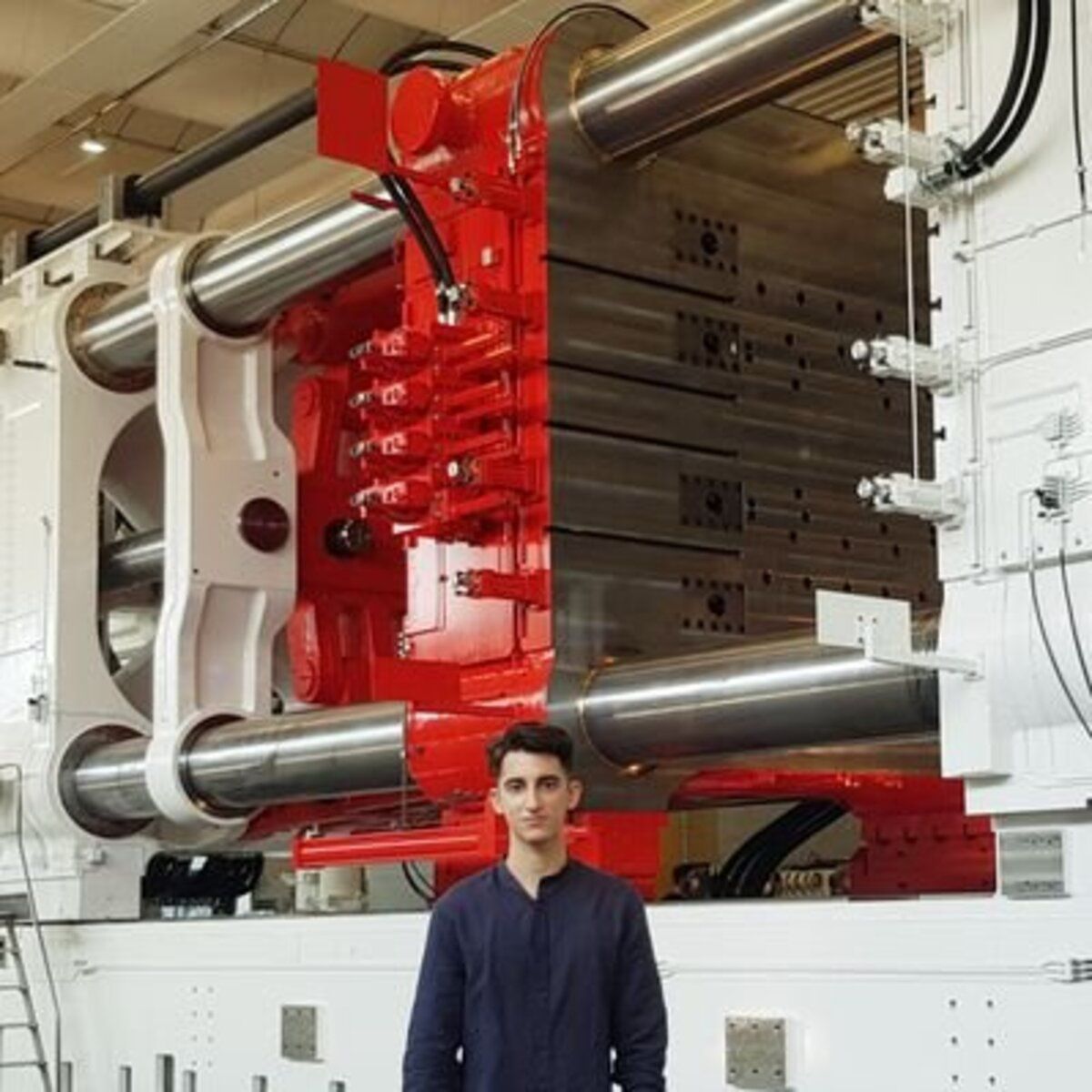
Honda installed six 6,000t Buhler die casting machines to produce battery tray halves for their Intelling Power Unit (IPU) which was supposed to power the Ohio EV hub. See more here from my previous news coverage.
The IPU and Ohio EV Hub are affected by this decision, but the facilities are not being abandoned or shut down; they are being repurposed for hybrids and continued ICE/hybrid production.
This could mean an accellaration in the deployment of underbody Gigacastings, initially planned for 2028 and then postponed.
As these very expensive investments will not be totally thrown away, Honda could reporpose their facilities to produce large underbody components for their Hybrid vehicles.
In the coming months Honda will update us with their new strategy for the US market.

Volvo Cars Selling a Brand-New, Unused LK 3,500-ton Die Casting Line from their Gothenburg Facility 🚨
Volvo has committed its Gigacasting strategy to 8,500-ton Bühler machines at Torslanda, now in mass production for the EX60 rear underbody.
This LK Impress Plus DCC 3500 was installed and commissioned at Volvo's Gothenburg facility with a dry test run only. It never entered production. Volvo is now selling the complete die casting island.
-> Machine: LK Impress Plus DCC 3500, two-platen, 35,000 kN
-> Condition: Unused, 2022 build
-> Melting: Støtek two-chamber gas-fired furnace, holding furnace, dosing furnace
-> Automation: ABB robots, Fondarex vacuum, Keyence laser marking, trim press
-> Spare parts included
This is brand-new structural die casting capacity with zero lead time, in a market where Western foundries wait over a year for new machine deliveries.

FAW Magneisum Thixomolded Seat Frames
China FAW has developed and successfully assembled its first magnesium alloy Thixomolded seat frame.
In the global push for automotive lightweighting and low-carbonization, magnesium alloy stands out for its low density, high specific strength, and excellent vibration damping, making it ideal for passenger cars.
Recently, Hongqi’s R&D team announced that the seat frame assembly has passed function adjustment tests and is now entering strength/durability bench and full-vehicle testing.
To achieve lightweighting and high performance, the R&D team innovated across materials, processes, and structure.
They mastered specialized magnesium slurry refinement and virtual process simulation to improve mechanical properties and internal quality.
Structurally, they consolidated 19 parts into just 4 magnesium components while retaining the seat’s 8-way adjustment function.
This reduces assembly steps, boosts production efficiency, and cuts weight by 1.35 kg per set, a 26% reduction versus traditional steel.
Developed on Hongqi’s modular seat frame platform, its designed to be adaptable across multiple models in order to minimize mold-change costs and laying a strong foundation for large-scale mass production.

Zeekr 8X Gigacastings and Magnesium Drive Unit
Geely Group’s premium brand, Zeekr unveiled a new Extended Range Electric Vehicle (EREV) featuring both a rear underbody Gigacasting and the world’s first mass produced magneisum electric drive unit.
The Zeekr 8X is an extended-range electric vehicle (EREV). Like any battery-electric vehicle (BEV), it is powered primarily by a large high-voltage battery pack that drives the wheels.
What sets it apart is its onboard combustion engine, which never directly propels the vehicle. Instead, it functions solely as a high-efficiency generator to recharge the battery when needed, dramatically extending the total driving range.
What’s so noteworthy about this vehicle is the world’s only mass-produced 900V electric drive unit with a magnesium alloy housing, and it is the first time magnesium alloy has been applied at scale to all core structural components in a production vehicle-grade electric drive system.

Zeekr collaborated with China’s top material research teams to develop a proprietary vehicle-grade rare-earth magnesium alloy. Key load-bearing structural part, including the motor housing, reducer housing, inverter upper housing, and end covers, are all formed using magnesium die casting.
Compared with a conventional aluminum alloy electric drive assembly of the same specifications, the overall weight is reduced by 22%, to a total 77 kg.
At the same time, the magnesium alloy material delivers superior vibration and noise reduction performance, improving the assembly’s overall NVH by 8 dB. Even at ultra-high motor speeds of 22,000 rpm, the cabin remains quiet.
Rear Gigacasting
Nothing new to the Zeekr brand but other than the usual benefit reported by every other OEM, inlcuding weight, part, noise, cost reductions and torsional stiffness increases, it’s noteworthy to point out that the 8X is Zeekr’s seventh(!) vehicle to adopt a rear underbody Gigacasting.
In a short span of around 3 years, Zeekr was able to launch on the market 7 different models and Gigacastings played a massive role in reducing the BiW shop size of their factory in Zhejiang and maintaining a lean manufacturing process more flexible with fewer efforts when swapping production between different bodies.
The Zeekr 8X, along with the entire Zeekr lineup and many upcoming Chinese EVs not yet launched on the market, is fully featured in The Gigacasting Database with comprehensive specifications, inlcuding production numbers.

Automated storage of machined RUB Gigacastings in the Zeekr foundry. Source: WSJ on YouTube

