


Welcome to The Gigacasting Newsletter
New here? Subscribe for weekly updates
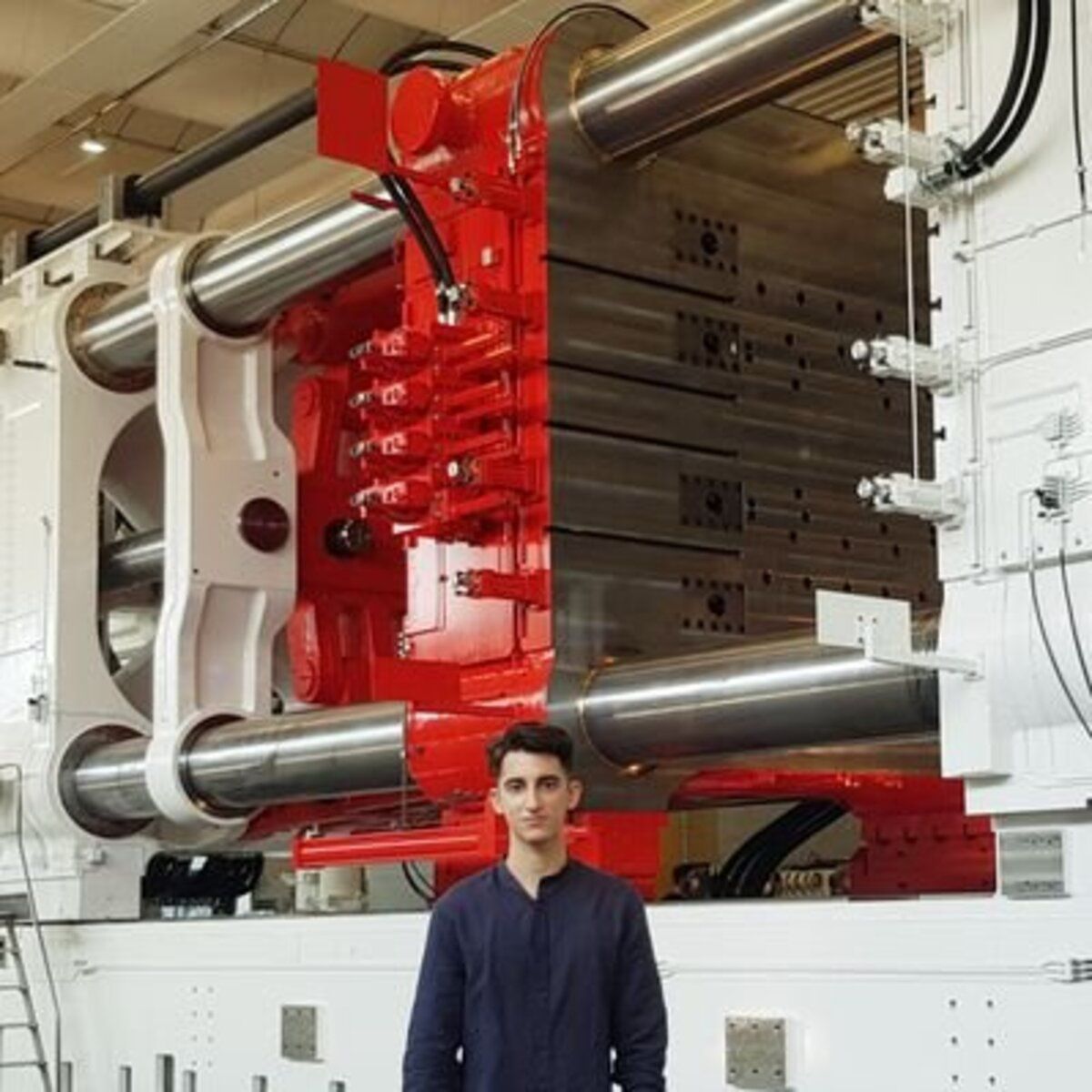
Volkswagen Group has placed an order for 16 new 9,200-ton die-casting machines to Bühler for their dedicated to front and rear underbody castings on its next-generation EV platform. According to public reports on linkedin.
The allocation could look something like this; 8 machines for Volkswagen, 4 machines for Audi and 4 machines for Škoda.
This is a decisive step beyond the battery-frame strategy first shown at IAA Mobility 2025. At that time Volkswagen confirmed large aluminium battery frames for the Electric Urban Car Family — ID. Polo, Cupra Raval, Škoda Epiq and the production version of the ID. Cross.
Those frames already replace 123 parts, cut weight by roughly 10 % and deliver a reported 15 % cost reduction, all while using a three-plate die process. Front and rear underbody Gigacastings, however, remained undecided.
The new 9,200-ton order signals that the group has now committed to the larger structural castings for the subsequent high-volume platform.
Ordered does not mean installed
Machine orders are only the first step. Installation, commissioning, tooling development and process stabilisation routinely takes months or years, and schedules slip. China has already demonstrated how large the gap between announcements and reality can become: suppliers have ordered multi-machine packages only to see a fraction actually installed and running, while overall utilisation of the installed Gigacasting fleet remains low.
The same caution applies in Europe. Plans can be delayed, phased or even resized once the first pilot castings reveal true cycle times, scrap rates and integration costs with the rest of the body shop.
Volkswagen’s move is therefore best read as a firm strategic signal that demonstrates their commitment to the technology but it’s important to not place too much attention on the numbers. The installation of every single Bühler Carat machine could be delayed by several years depending on the competitiveness of their BEVs.
The Megacasting machines will ultimately support front and rear castings that eliminate dozens of stamped and welded parts, but the timeline from order to series production remains subject to the usual industrial realities.
I’m reporting this news after over one year of being aware of this information. The reason is that the silence was broken publicly by a post on linkedin.
This development fits the broader pattern tracked in the Gigacasting Forecast Report for Europe, North America, Japan and Korea. The report models platform-level adoption, machine installation rates, and realistic capacity scenarios through 2035 — including the precise order-to-install gap that has already appeared in China and is now relevant for every Western programme.
For the continuous, machine-by-machine view (ordered vs installed, location, OEM allocation, and actual production use), the Gigacasting Database remains the single source that separates announcements from verified reality. With the yearly subscription you also get full access to The Gigacasting Forecast Report and Chinese Market Report.
Full forecast report:
Database access:

Credit: Volkswagen

