


Welcome to The Gigacasting Newsletter
New here? Subscribe for weekly updates
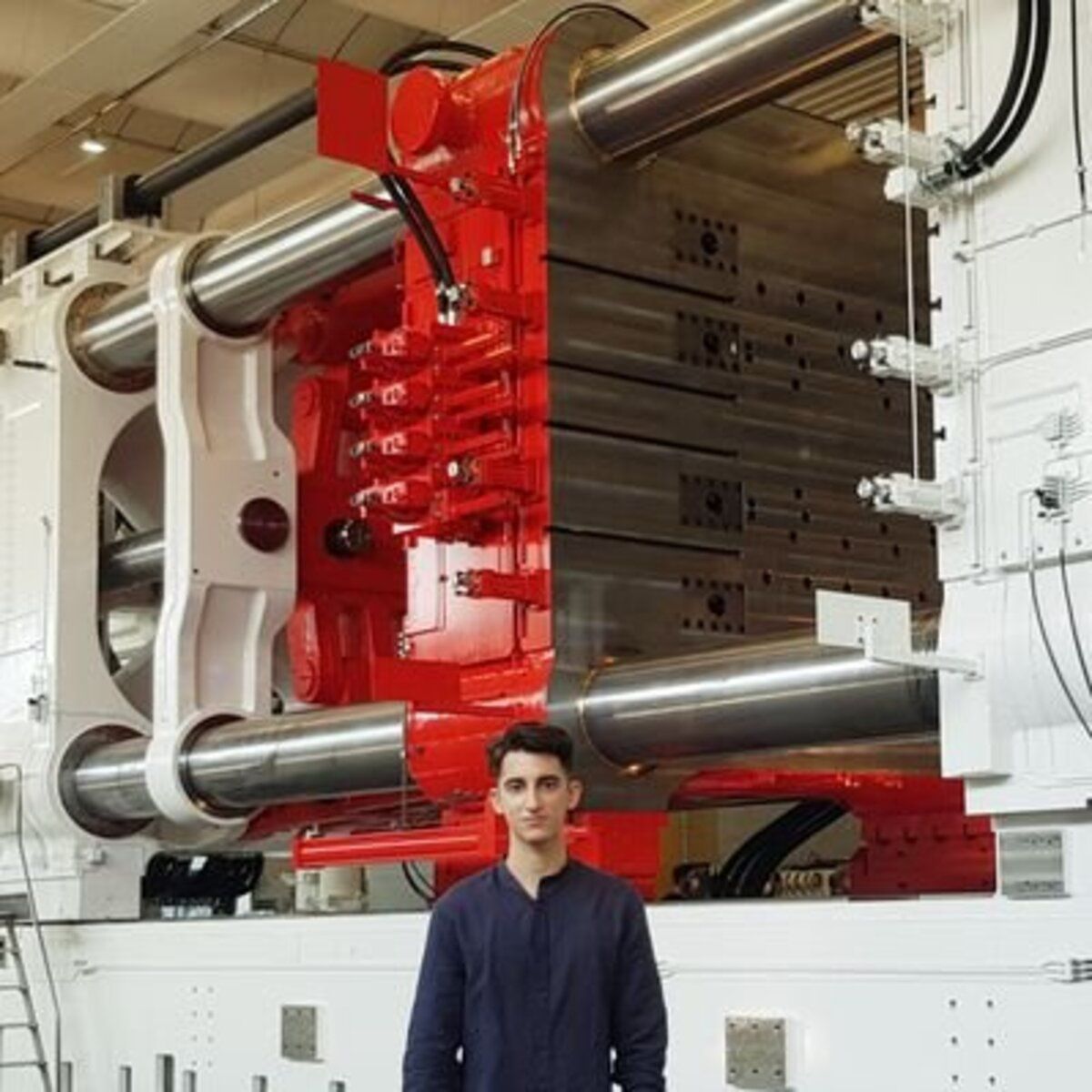
The first 9,000-ton die-casting machine for Lexus’s fully owned pure-electric vehicle plant in Shanghai is set to be delivered and installed in the near term, marking a concrete step forward in the project’s equipment phase.
This development builds directly on Toyota’s February 2025 announcement that Lexus would establish a wholly owned production facility in Shanghai dedicated exclusively to pure electric vehicles. The plant is planned with an initial annual capacity of 100,000 units and is scheduled to begin production in 2027.
As previously reported, the facility is expected to adopt Gigacasting technology and will manufacture a Lexus, previously the LF-ZC which is now cancelled. Subsequent details contained in the factory permits have confirmed both the technology choice and the model association.
Once operational, the Shanghai plant will become China’s first wholly owned automotive manufacturing site by a foreign company after Tesla’s Giga Shanghai opened in 2019. It is designed to serve both the Chinese domestic market and overseas demand, with approximately 20 percent of output earmarked for export to Europe and Southeast Asia.
Manufacturing at the site will rely on Toyota’s most advanced production methods, including Gigacasting, self-propelled production lines, and an unboxed assembly process. These approaches are intended to lower overall factory investment while shortening the timeline required to reach mass-production readiness.
Earlier exclusive information indicated that Toyota signed a contract for 9,000-ton die-casting machines for the Lexus Shanghai plant, with Haitian identified as the supplier. The forthcoming delivery of the first unit moves that procurement to its physical realization. Source: Die-Casting Weekly.
The facility covers 615,700 square meters and is being developed in three distinct phases:
- Phase one comprises stamping, die casting, body-in-white, painting, general assembly, and battery-pack assembly.
- Phase two adds a dedicated battery workshop together with an office building.
- Phase three expands the stamping and die-casting capacity and introduces a further battery workshop.
The arrival of the first ultra-large die-casting machine therefore represents a visible milestone on the path to the planned 2027 start of production and underscores Lexus’s commitment to localizing next-generation electric-vehicle manufacturing in China.


